
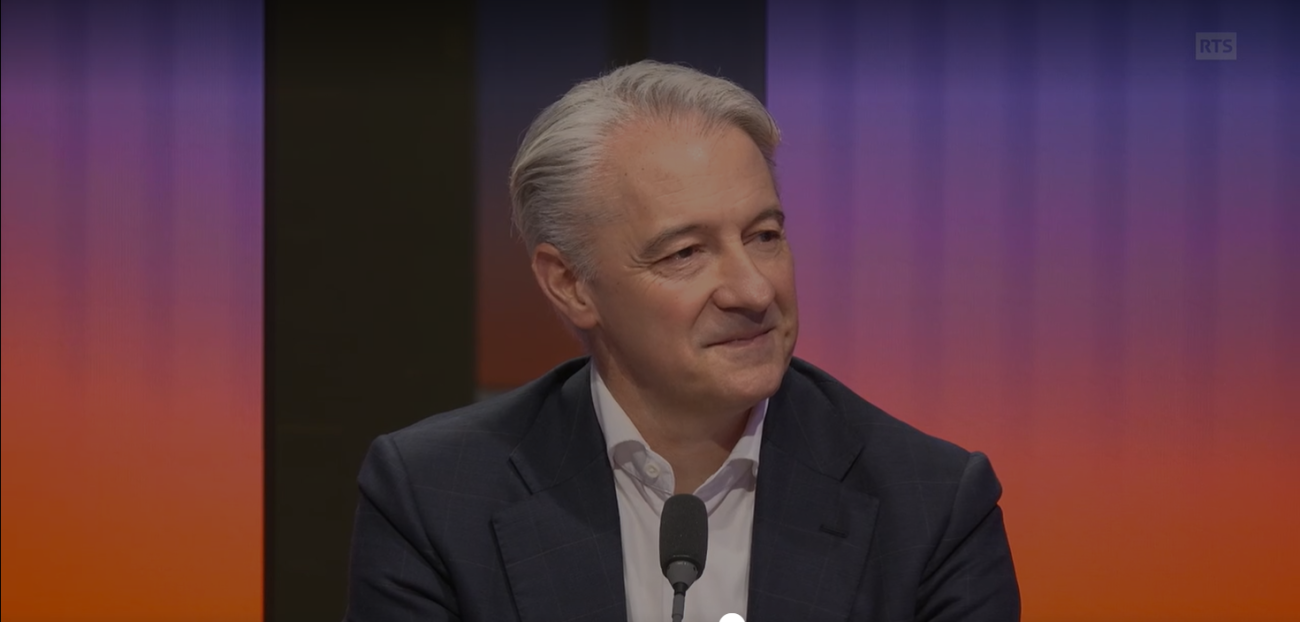
Fabrice Zumbrunnen on RTS: «Switzerland has missed the boat on digital transformation in healthcare»
On RTS’s La Matinale, Fabrice Zumbrunnen, CEO of AEVIS Victoria and Delegate of the Board of Directors of Swiss Medical Network, explained how integrated care works and where the Swiss healthcare system is reaching its limits.
Integrated care networks are significantly more widespread in German-speaking Switzerland than in French-speaking Switzerland. In an interview with RTS, Fabrice Zumbrunnen distinguished them from the general practitioner model. In that model, patients are referred to a specialist via their GP. Integrated care goes further: “The aim of integrated care is to coordinate the efforts of all healthcare providers in the patient’s best interests.” This includes specialist doctors as well as home care.
Financial responsibility within the network In the VIVA model, the network bears financial responsibility for care. This allows for solutions that are scarcely provided for under the current fee system, such as hospital treatment at home.
A health coordinator as a dedicated point of contact What members receive depends on their situation. Those who are healthy but smoke receive support to give up smoking. People with chronic illnesses can contact their health coordinator at any time. Where necessary, the coordinator arranges appointments with specialists and advises on exercises and medication.
Shared data instead of new questionnaires Zumbrunnen sees the biggest gap in digitalisation. Without a shared database, each department has to re-enter a person’s medical history from scratch. He compared this to an online shop where you’d have to introduce yourself all over again with every order. Most VIVA members make their medical records available to the network. This allows all those involved to take the whole picture into account, rather than just the individual procedure.